Office Bearers and Council
PRESIDENT
|
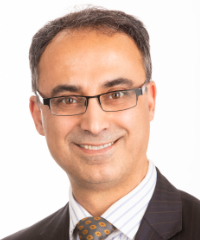
Assoc Professor Michelle McDonald
|
Group Leader, Bone Microenvironment Group Research Education Academic Director School of Medical Sciences Faculty of Medicine and Health The University of Sydney
Associate Professor Michelle McDonald’s research careers spans over 19 years, attaining her PhD in 2008. She is currently Group Leader of the Bone Microenvironment Group at The Garvan Institute, Sydney, Australia. Through the development of a novel intravital imaging technique her research has allowed, visualisation and fate tracking of dormant and actively growing tumour cells within living bone, as well as visualisation of bone cells in real time. This approach has revealed previously unappreciated bone osteoclast dynamics, and uncovering mechanisms behind unexpected clinical responses to anti-resorptive therapies, which was recently accepted in Cell. Combined with her experience using therapeutic agents to modulate bone cell activity, her group is working to define how these agents can be repurposed to prevent tumour-induced bone destruction and prevent tumour growth through regulating the bone micro-environment. Michelle regularly perform peer reviews, sits on the editorial boards and holds positions on international scientific committees. |
TREASURER
|
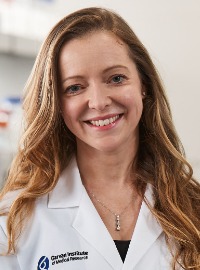
Professor Rachel Davey
|
Professor Rachel A Davey, PhD Professor Rachel Davey completed her PhD in Physiology at The University of Adelaide in 1998, studying the effects of estrogens and androgens on bone cell metabolism. Associate Professor Davey is currently Head of the Molecular Endocrinology and Musculoskeletal Research Group in the Department of Medicine, Austin Health at the University of Melbourne. Professor Davey’s research focusses on the cellular and molecular pathways through which hormones act in the musculoskeletal system with a particular focus on androgens and calcitonin. She has over 50 publications spanning areas of bone and muscle biology and metabolism. In recognition of her research and teaching achievements, she was the first Australian to be awarded the American Society of Bone and Mineral Research Early Career Teaching Award (2008), the inaugural recipient of the Endocrine Society of Australia Mid-Career Award (2009) and the recipient of an ANZBMS mid-career fellowship in 2017. Scientific Involvement (selected):
|
HONORARY SECRETARY
|
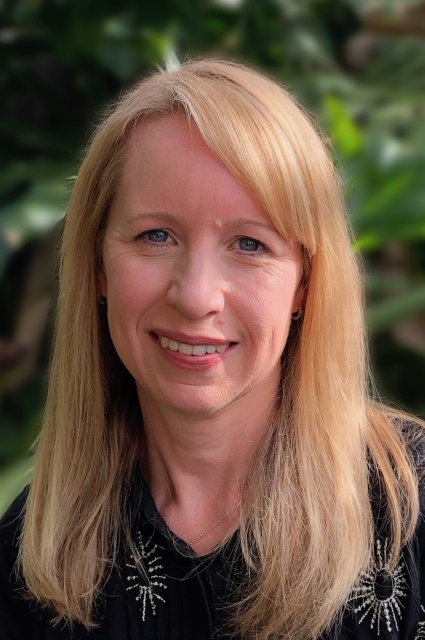
Assoc Professor Dawn Coates
|
Faculty of Dentistry | Te Kaupeka Pūniho |
PAST PRESIDENT
|
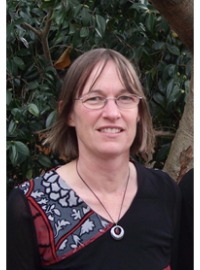
Professor Mark Cooper
|
University of Sydney, Anzac Research Institute Mark Cooper is Prof of Medicine and Head of Medicine at the Concord Clinical School, University of Sydney. He heads the Adrenal Steroid Lab at the ANZAC Research Institute. Until 2012 he was a Senior Lecturer at the University of Birmingham, UK. and metabolic bone physician at the Royal Orthopaedic Hospital, one of the largest orthopaedic hospitals in Europe. His clinical and research interests include adrenal steroid physiology and metabolic bone disease. In particular, he examines the role that glucocorticoid metabolism plays in normal physiology, inflammatory arthritis and glucocorticoid induced osteoporosis. He was previously the Bertram Abraham’s Lecturer in Physiology at the Royal College of Physicians of London. He has served on committees for the ASBMR and ECTS. He continues to combine a clinical practice with a basic/translational research group. |

PRESIDENT ELECT
|
Assoc Professor Christian Girgis
|
Christian Girgis is Associate Professor and Head of Specialty of Internal Medicine at the University of Sydney, Sydney Medical School. He received his PhD from the Garvan Institute of Medical Research in 2015 and undertook an NHMRC postdoctoral fellowship at the Westmead Institute of Medical Research and Salk Institute for Biological Studies (CA, USA), where he investigated the role of the vitamin D receptor in satellite cells. He currently leads the Fracture Liaison Service and Metabolic Bone Program at Westmead Hospital, striving to connect research and clinical practice to better serve patients. His research interests include vitamin D biology, sequential therapies for osteoporosis, and the management of rare skeletal diseases. Christian has served on several committees of the ANZBMS including the Clinical Practice, Program Organising committees, Therapeutics, and Clinical Imaging committees. He is an active mentor and PhD supervisor of several early career members of the society. |
COUNCIL MEMBERS
|
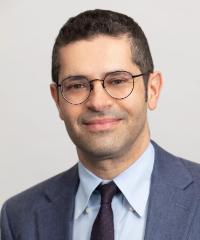
Dr Melissa Cantley PhD
|
NHMRC Early Career Research Fellow | Faculty of Health and Medical Sciences Dr Melissa Cantley completed her PhD in 2013 at the University of Adelaide with a project focussed on pathological bone remodelling. In 2014 Melissa was awarded a NHMRC Early Career Fellowship to work with Professor Zannettino in the Myeloma Research Laboratory at the University of Adelaide, located at the South Australian Health and Medical Research Institute (SAHMRI). Dr Cantley’s research interests revolve around bone cell biology and role of the complex bone microenvironment in disease. This has included in chronic inflammatory diseases such as rheumatoid arthritis and periodontitis where she has made significant research contributions in therapeutic targeting of pathogenic bone loss. Dr Cantley's current research is focussed on the blood cancer multiple myeloma and understanding the progression from pre-cancerous stages to cancerous myeloma. This involves unravelling the role of the complex bone marrow microenvironment in disease progression and discovering novel biomarkers that can be used to predict risk of progression in patients with the pre-cancerous stages of disease. Dr Cantley has been Co-Chair of the ANZBMS Early Career Investigator Committee (ECIC) over the last two years and was a member of the Inaugural ANZBMS Early Career Investigator Newsletter Editorial Board (2019-2021). Dr Cantley has also been a member of the ANZBMS Program Organising Committee (POC) (2020-2021). Dr Cantley is a Director on the Australian Society for Medical Research (ASMR) National Board. |
|
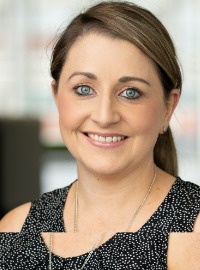
Professor Belinda Beck
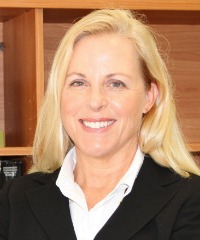 |
Belinda Beck is a Professor of Exercise Science in the Menzies Health Institute Queensland at Griffith University (Gold Coast, Australia) and Director of The Bone Clinic, a translational research facility and clinical practice providing for patients with osteoporosis. She graduated from The University of Queensland (BHMS[Ed]) and the University of Oregon (MSc and PhD) and completed a postdoctoral research fellowship in the Stanford University School of Medicine (CA, USA). Her work, primarily related to the effects of mechanical loading on bone, has involved both animal and human models, from basic to clinical research. Her particular focuses have been exercise interventions across the lifespan for bone health, in recent years developing the Onero exercise program for the prevention of osteoporotic fracture which is now delivered around the world. |
|
Professor Itamar Levinger
|
PhD, MSc, B.Ed, AEP, Fellow ASBMR, Fellow ESSA Prof Levinger is a Clinical Exercise Physiologist and the leader of the Bone-Muscle Interaction Research Group at the Institute for Health and Sport (IHES), Victoria University. He is also the Associate Director Research and Research Training, IHES. Itamar completed his PhD in 2008 and was awarded a Heart Foundation Postdoctoral fellowship between 2012-2014 and a Heart Foundation Future Leader Fellowship between 2014-2018. He developed extensive knowledge, skills and experience in the area of exercise rehabilitation for patients with sarcopenia and cardiometabolic diseases as well as muscle function and metabolism and cell signalling in humans and murine models. His current research focus on uncovering the mechanisms involved in bone-muscle interaction and the implication of such interaction for the development of sarcopenia, type 2 diabetes and cardiovascular disease. Scientific Involvement (selected): Member ANZBMS, 2013-current, Member ASBMR, 2012 – current (Fellow ASBMR Since 2022), Member ESSA, 2008 – current (Fellow ESSA since 2014), Member AuPs, 2016-current. Chair Local Organising Committee, ANZBMS 2021, Programme Organising Committee, ANZBMS Scientific Meeting, 2023. |
|
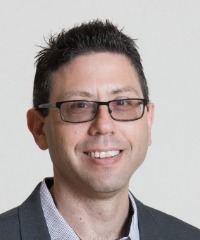
Dr Marc Sim
|
Dr Marc Sim is a Senior Research Fellow who is part of a Steering Committee which founded the Nutrition and Health Innovation Research Institute at Edith Cowan University in 2021. He completed his PhD in Exercise Nutrition in 2015 and currently holds Fellowships from the Royal Perth Hospital Research Foundation and the Western Australian Future Health Research and Innovation Fund. His research evaluates and develops better evidence for identifying risk factors, muscle biomarkers and modifiable lifestyle factors, specifically through nutrition and exercise, to prevent falls and fractures. His work on dietary vitamin K for musculoskeletal health has received awards from the International Osteoporosis Foundation and the European Calcified Tissue Society. Dr Sim’s research is underpinned by his experience as a registered nutritionist and accredited exercise scientist, with a strong focus on community and allied health education. Dr Sim has served on the Research Committee (2021-present), Early Career Investigators Committee (2019-2021) and the Annual Scientific Meeting Program Organising Committee (2022, 2023) for the Australian and New Zealand Bone and Mineral Society.
|
|
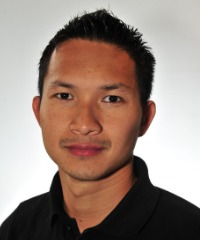
Dr Ali Ghasem-Zadeh, BSc, MSc, PhD
|
Quantitative Bone Imaging lab Dr Ali Ghasem-Zadeh is a Senior Research Fellow in the Department of Medicine (Endocrinology) at Austin Health, The University of Melbourne. His research focuses on quantitative bone-image analysis and the development of advanced imaging indices and methods for early detection of skeletal fragility. He has extensive expertise in DXA, HR-pQCT, Micro-CT, and synchrotron-based imaging and works closely with leading investigators to advance imaging-based assessment of bone quality and fracture risk. With over two decades of experience in translational musculoskeletal research, Ali leads multidisciplinary collaborations nationally and internationally. He serves as Scientific Lead of the ISBM Ultrastructure and Microstructure Working Group, member of the ANZBMS Clinical Imaging Committee, and Associate Editor for Frontiers in Endocrinology and Frontiers in Bioengineering and Biotechnology. He also regularly serves as a peer reviewer for leading journals in bone and imaging research. He has authored 70+ publications, received the 2025 Sir Edward “Weary” Dunlop Award, and contributes to major longitudinal studies on bone fragility in diverse clinical populations.
|