
|
The Early Career Investigator Committee (ECIC)
Definition of an Early Career InvestigatorCurrent higher degree or current researcher within 10 years from the award of a higher degree (e.g. PhD/Masters). |
|

Mission
The mission of the Early Career Investigator Committee (ECIC), formed in February 2017, is to help shape the future of bone and mineral research in Australia and New Zealand by fostering active engagement of early career investigators within the Australia & New Zealand Bone and Mineral Society (ANZBMS), supporting professional development of early career investigators and facilitating interactions between junior and senior members of all disciplines.
Objectives
- To act in collaboration with the ANZBMS senior committee and foster active engagement of early career investigators within the ANZBMS.
- To promote activities that engage early career investigators and senior members in open dialogue and collaborative initiatives.
- To increase early career investigator awareness of research trends and application of new technologies in bone and mineral research.
- To increase engagement of clinical trainees and improve training in bone and mineral metabolism.
- Involvement in scientific and social programs at the ANZBMS Annual Scientific Meeting.
- To foster science communication and engagement with the public.
- To facilitate translation of scientific findings to industry and government.
MEET THE 2026 COMMITTEE
Shejil Eugenie Cassandra Sarah Marion Kaitlyn Lucy Gabi Mawson Kai Martha Brenda





.jpg)
|
Co-Chairs |
Shejil Kumar, Eugenie MacFarlane |
|
Past Co-Chair |
Cassandra Smith |
|
Career Development Representatives |
Sarah Brennan, Marion Mundt, Kaitlyn Flynn, Lucy Collins, Gabi Stokes |
|
Clinical Training Representatives |
Shejil Kumar (Lead), Gabi Stokes |
|
Communications Representatives |
Kai Chen (Lead), Mawson Wang |
|
Events Representatives |
Martha Blank (Lead), Brenda Ta, Eugenie Macfarlane, Mawson Wang |
|
ECIC representative to ANZBMS SPC |
Kaitlyn Flynn |
 |
Postdoctoral Associate, Bone Research Program, ANZAC Research Institute, The University of Sydney
Dr Eugenie Macfarlane is a passionate postdoctoral researcher and lecturer at the ANZAC Research Institute, The University of Sydney. She received her PhD from The University of Sydney in 2023. Her research focuses on the role of glucocorticoids in bone loss and osteoarthritis during chronic disruption of circadian rhythms (i.e., shift work and jet lag) and is funded by an NHMRC Ideas Grant (2024-2027). In 2024, Eugenie received the Sol Posen Research Award and the Professor Philip Sambrook Award from ANZBMS.
|
 |
Endocrinologist, Royal North Shore Hospital and Westmead Hospital, Sydney NSW
PhD Candidate, University of Sydney, Sydney NSW Dr Shejil Kumar is leading the ROLEX-DUO study; a world-first clinical trial combining resistance exercise with osteoanabolic pharmacotherapy in postmenopausal osteoporosis/osteopenia. He has clinical and research interests in combination and sequential osteoporosis treatments, denosumab rebound and FGF-23 excess disorders. He is passionate about fostering career and professional development opportunities for early career researchers.
|
Dr Cassandra Smith
 |
Postdoctoral Research Fellow, Nutrition & Health Innovation Research Institute (NHIRI), Edith Cowan University, Perth WA
Twitter/X: @csmithAEP
Dr Cassandra Smith is a highly passionate clinician-researcher, an Accredited Exercise Physiologist (>10 years’ clinical experience) and Postdoctoral Research Fellow within the Nutrition & Health Innovation Research Institute, Edith Cowan University. Cassandra received her PhD from Victoria University (2022) which gave her a deep understanding on how the skeleton is regulated across the lifespan. Her current research now focusses on understanding why as we age, we lose bone, yet it accumulates in our blood vessels. She has a specific interest in understanding the role of menopause on this relationship, and whether this may potentially explain the sex disparity in cardiovascular disease.
|
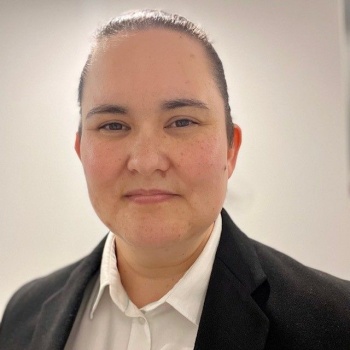 |
Endocrinology Advanced Trainee, Royal North Shore Hospital, Sydney
E: SarahCatherine.Brennan@health.nsw.gov.au
Dr Sarah Brennan is a final year endocrinology advanced trainee at Royal North Shore Hospital and a lecturer at The University of Sydney. She completed her PhD at The University of Sydney in 2012, investigating calcium-sensing receptor (CaSR) signalling. Her work sits at the intersection of calcium signalling, endocrine pathways, and bone and mineral metabolism, with a particular interest in osteoporosis treatments and how mechanistic insights can be translated into meaningful clinical care. Sarah enjoys bridging the gap between research and clinical practice, and is passionate about supporting early career researchers through mentorship and career development initiatives.
|
|
|
Research Fellow, Nutrition and Health Innovation Research Institute, Edith Cowan University
Dr Marion Mundt has obtained her PhD in machine learning in sports and clinical biomechanics in Germany before moving to Perth in 2020. She is passionate about applying state-of-the-art machine learning techniques to solve real-world problems. In her current role as a Research Fellow with the Nutrition and Health Innovation Research Institute she works on the estimation of the physical function trajectory of individuals based on DXA images that are routinely captured for osteoporosis screening to prevent falls and fractures.
|
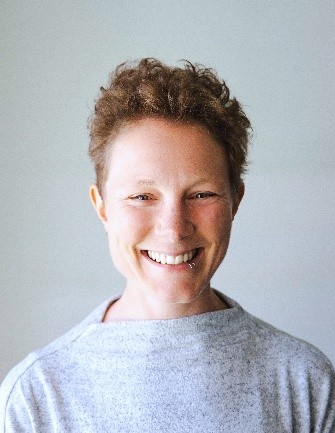
 |
Research Fellow, Nutrition and Health Innovation Research Institute, Edith Cowan University
Dr Kaitlyn Flynn is a postdoctoral research officer within the Musculoskeletal Genomics Group at Mater Research, The University of Queensland. Kaitlyn's current research involves identifying the cellular and genetic mechanisms of bone disease including osteoporosis and osteoarthritis. Kaitlyn's work combines genetic association data from GWAS and gene expression data from single-cell sequencing technologies to identify drivers of disease.
|
|
PhD Candidate, Monash University, Victoria, Australia Consultant Endocrinologist, Monash, Western and Northern Health, Victoria, Australia Researcher Profile
Lucy is a Consultant Endocrinologist at a number of public hospitals in Melbourne (Monash Health, Western Health, Northern Health) with a strong focus on both adult and paediatric care, particularly in managing rare bone disorders. During her training years, Lucy has been fortunate to gain experience in both paediatric and adult endocrinology. She is also a PhD Candidate at Monash University. Her research focuses on the genetic variants associated with atypical femur fractures.
|
 |
Endocrinologist and PhD Candidate, Monash Health, Hudson Institute of Medicine and Monash University Dr Gabrielle Stokes is an endocrinologist at Monash Health and a PhD candidate under A/Prof Frances Milat with the Bone and Muscle Research Group at Monash University. Her research focuses on the assessment and management of osteoporosis following a stroke, focusing on clinical interventions to prevent fractures and disability.
|
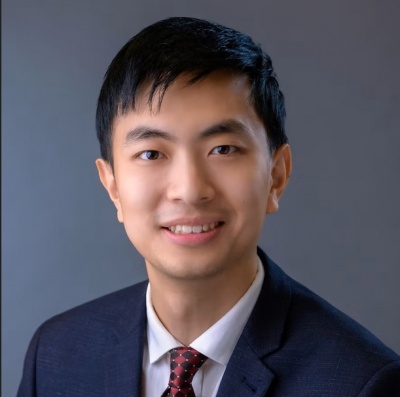 |
Endocrinologist, PhD Candidate, Concord Repatriation General Hospital and ANZAC Research Institute, Sydney
Dr. Mawson Wang is an early-career endocrinologist at Concord Repatriation General Hospital and a PhD Candidate at ANZAC Research Institute and USYD, examining ways to improve secondary fracture prevention. He was previously on the Endocrine Society of Australia Early Careers Committee and enjoys advocating for career development opportunities for early-career clinicians and researchers.
|
Dr Kai Chen
 |
School of Biomedical Sciences, The University of Western Australia Dr Kai Chen is an ARC Early Career Fellow leading a research group that leverages advanced molecular imaging technologies to uncover previously unknown physiological and pathological processes in the skeletal system, with the ultimate goal of developing targeted therapeutics. He completed his medical and orthopaedic surgery training in China (2007-2016). Supported by Australian Government International Research Training Program (RTP) Scholarships, he completed his PhD in Bone Biology (2016-2019) with Profs Jiake Xu and Nathan Pavlos at UWA, followed by his postdoctoral training with A/Prof Haibo Jiang (HKU) and Prof Killugudi Swaminatha Iyer (UWA). Dr Chen started his own laboratory in 2023, and his current research is supported by NHMRC Ideas Grant, ARC Fellowship, WA Future Health Research and Innovation Fund, and other funding sources. |
Dr Martha Blank
|
Research Officer, St Vincent’s Institute of Medical Research, Melbourne Dr Martha Blank has obtained her Bachelors and Masters degree in Austria before moving to Melbourne in 2018 commencing her PhD with Prof Natalie Sims at the St Vincent’s Institute of Medical Research/University of Melbourne. She is a passionate basic researcher who aims to understand what cellular functions maintain bone material quality and bone strong to find new interventions to prevent fractures. Martha finished her PhD in 2022 and continues to work in Prof Sims’ lab as a Research Officer. Her current work aims to understand how osteoblasts and osteocytes control mineral and collagen accrual in bone tissue and how this can be used to improve bone strength.
|
 |
Endocrine Advanced Trainee, Westmead Hospital
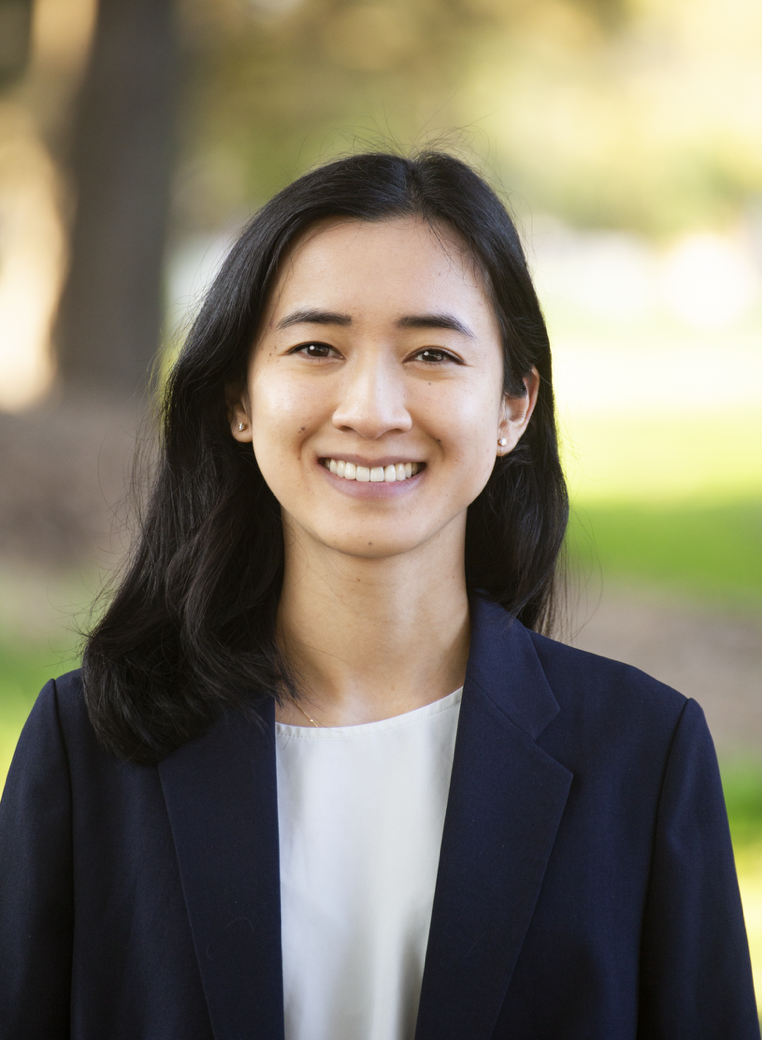
PhD Candidate, University of Sydney Researcher Profile E: brenda.ta@health.nsw.gov.au Dr Brenda Ta is a final year endocrine advanced trainee at Westmead Hospital and PhD candidate under the guidance of A/Prof Christian Girgis at the University of Sydney. She is co-chair of the Australasian Bone Echo Program and has research interests in osteoporosis sequencing and denosumab rebound. |